Product Selection
How to Choose the Right Industrial Cleaning Cloth for Your Business
Cleaning materials play a crucial role in maintaining equipment, production lines, workstations, and machinery across industries.
Introduction
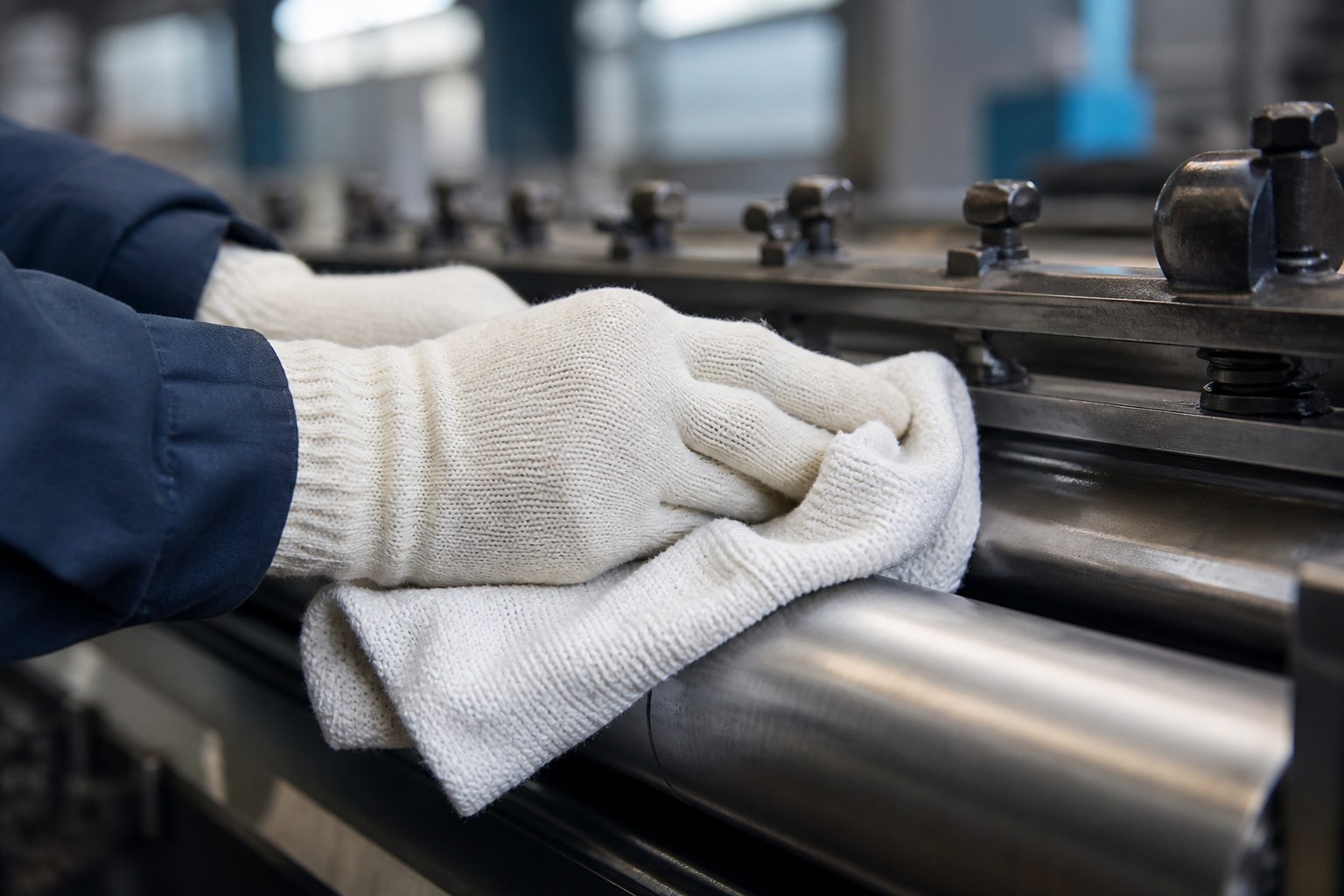
Cleaning materials play a crucial role in maintaining equipment, production lines, workstations, and machinery across industries. While they may appear to be a small operational item, selecting the right cleaning cloth can improve efficiency, reduce waste, and help protect valuable equipment.
The ideal cleaning cloth depends on your industry, the surfaces being cleaned, the type of contaminants involved, and your operational requirements.
In this guide, we’ll explore the key factors to consider when choosing an industrial cleaning cloth.
Why the Right Cleaning Cloth Matters
Industrial cleaning is more than simply removing dirt. The right material helps:
- Improve workplace efficiency
- Protect equipment and finished surfaces
- Reduce material waste
- Enhance cleaning performance
- Support maintenance operations
- Improve overall productivity
Selecting the wrong material can lead to increased cloth consumption, poor cleaning results, or damage to sensitive surfaces.
Key Factors to Consider
1. Absorbency
A quality industrial cleaning cloth should quickly absorb water, oils, lubricants, and other industrial fluids without excessive dripping or repeated wiping.
Applications include:
- Machine maintenance
- Equipment cleaning
- Oil removal
- Workshop operations
2. Durability
Industrial environments require cleaning materials that can withstand regular handling and demanding conditions.
A durable cloth provides:
- Longer service life
- Better value
- Consistent cleaning performance
- Reduced replacement frequency
3. Softness
When cleaning painted, polished, or delicate surfaces, a soft fabric helps minimise the risk of scratches.
This is particularly important in:
- Automotive workshops
- Aviation maintenance
- Precision engineering
- Equipment servicing
4. Flexibility
Flexible knitted fabrics adapt easily to complex shapes, corners, and difficult-to-reach areas.
This improves cleaning efficiency across machinery and equipment.
5. Product Consistency
For businesses purchasing cleaning materials regularly, consistency is just as important as quality.
Every roll should provide similar:
- Fabric construction
- Absorbency
- Weight
- Performance
- Finish
Consistent manufacturing reduces variability during daily operations.
Choosing the Right Material for Different Industries
Defence & Aviation
Maintenance environments often require soft, absorbent materials for general cleaning and workshop applications. Always ensure the selected cloth meets the specific maintenance requirements of the equipment or organisation.
Automotive
Automotive workshops commonly require fabrics suitable for polishing, cleaning, detailing, and maintenance.
Engineering & Manufacturing
Factories require durable cleaning materials capable of supporting routine equipment maintenance and production cleaning.
Marine Industry
Marine environments demand absorbent materials capable of handling moisture, grease, and routine maintenance tasks.
Meat Processing
Suitable knitted cotton fabrics are often used for wrapping and handling applications, depending on operational requirements and applicable regulations.
Why Knitted Cotton Fabrics Are Popular
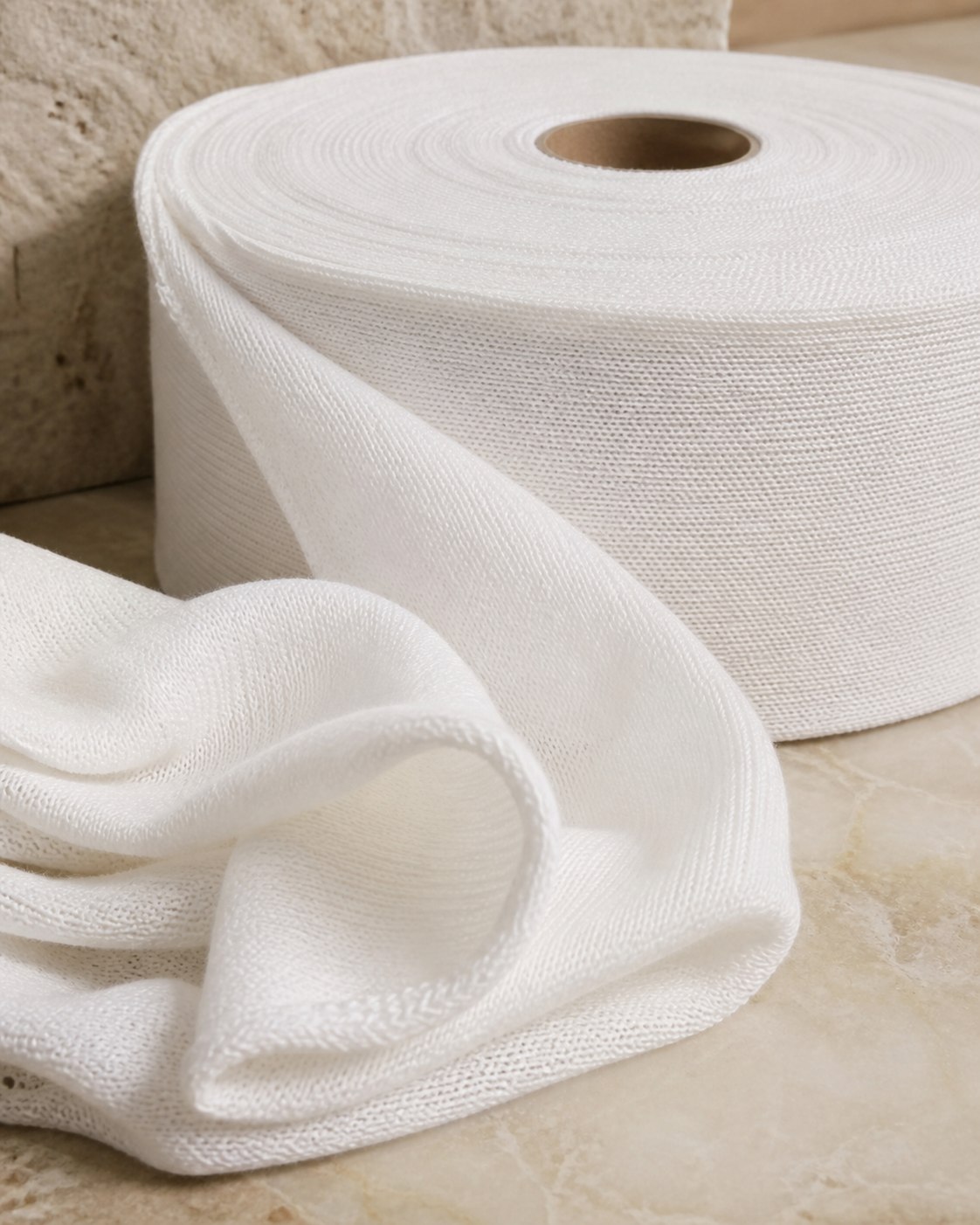
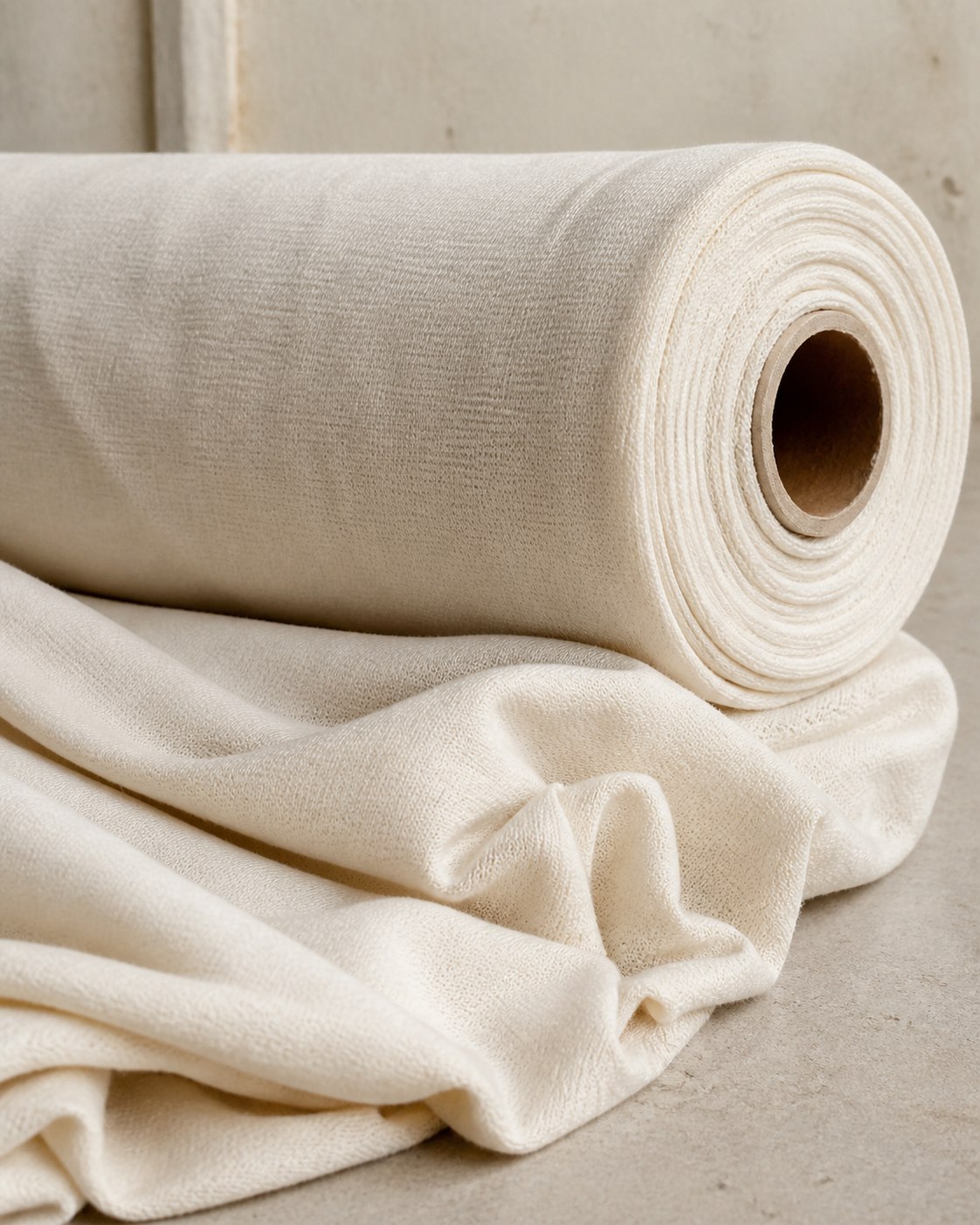
Knitted cotton fabrics remain one of the preferred choices because they combine several important characteristics.
They offer:
- Excellent absorbency
- Soft handling
- Good flexibility
- Durable construction
- Ease of use
- Availability in customised specifications
These qualities make them suitable for a broad range of industrial applications.
Questions to Ask Before Buying
Before placing an order, discuss the following with your supplier:
- What cotton quality is used?
- Can specifications be customised?
- What widths and roll lengths are available?
- How is quality maintained?
- Can they support recurring bulk orders?
- What industries do they regularly serve?
Choosing the right manufacturing partner is just as important as choosing the right product.
Why Quality Manufacturing Makes a Difference
The performance of any industrial cleaning cloth depends on how it is manufactured.
High-quality raw materials, controlled knitting processes, and thorough quality inspection contribute to consistent performance across every order.
For businesses that depend on reliable cleaning materials every day, manufacturing quality directly impacts operational efficiency.
Conclusion
There is no single cleaning cloth that suits every application. The right choice depends on your industry, operational environment, and performance requirements.
By evaluating factors such as absorbency, durability, softness, flexibility, and manufacturing consistency, businesses can select products that improve efficiency and deliver long-term value.
Working with an experienced manufacturer helps ensure you receive products that meet your exact operational needs.